I research behaviour, not just opinions.
I look for what people notice, what they miss, what they tolerate, and what they resist. Good UX research is not just asking what users like. It is understanding how systems shape decisions.
UX Research / HCI / Product Thinking
I am Muhammad Zaid Arif, an HCI researcher, designer, and builder focused on UX research, ethical interaction design, persuasive systems, children's technology, and learning experiences.
My work sits between research depth and product execution. I do the thinking, the testing, the rebuilding, and the polishing.
Selected Work
Four projects that show how I think, research, design, and build.
A qualitative HCI study of how children perceive and react to deceptive design patterns in games.
A defended master's thesis based on scenario-based interviews with 18 children, exploring manipulation, pressure, risk, responsibility, and autonomy in digital games.
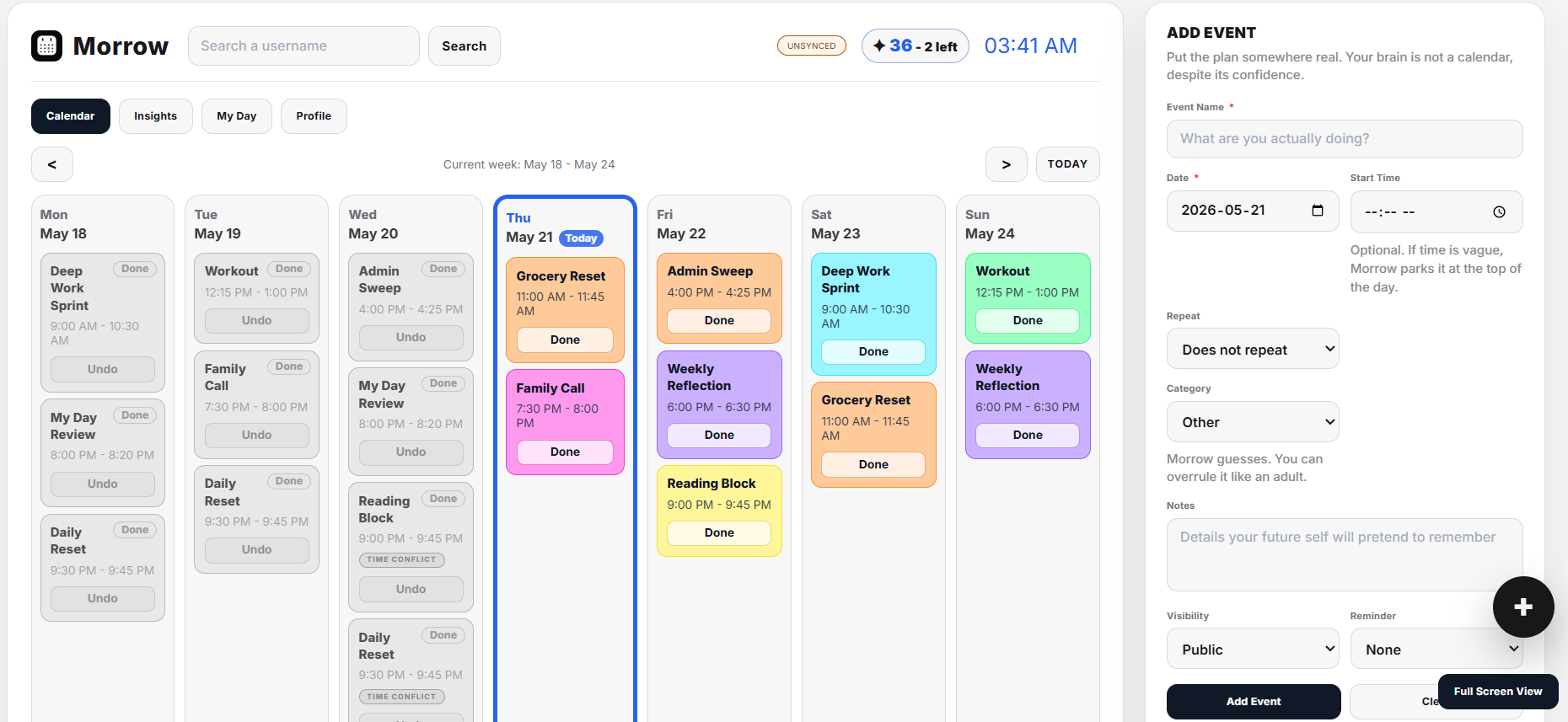
A private experimental product exploring how technology can help people create days worth remembering.
A calendar that evolved through values-based categories, prayer integration, streaks, recovery windows, a removed garden concept, photo documentation, recap videos, and ethical questions around sharing.
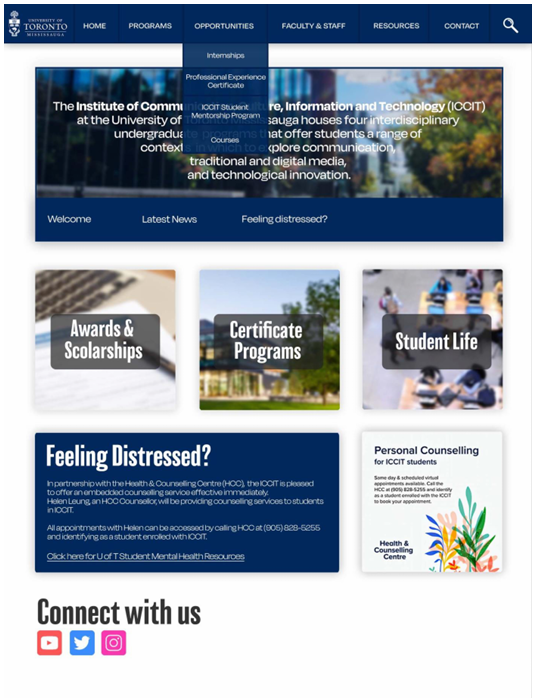
A research-backed redesign of an academic homepage.
A class project that evolved into an implementation-facing redesign concept for the Institute of Communication, Culture, Information, and Technology at the University of Toronto.
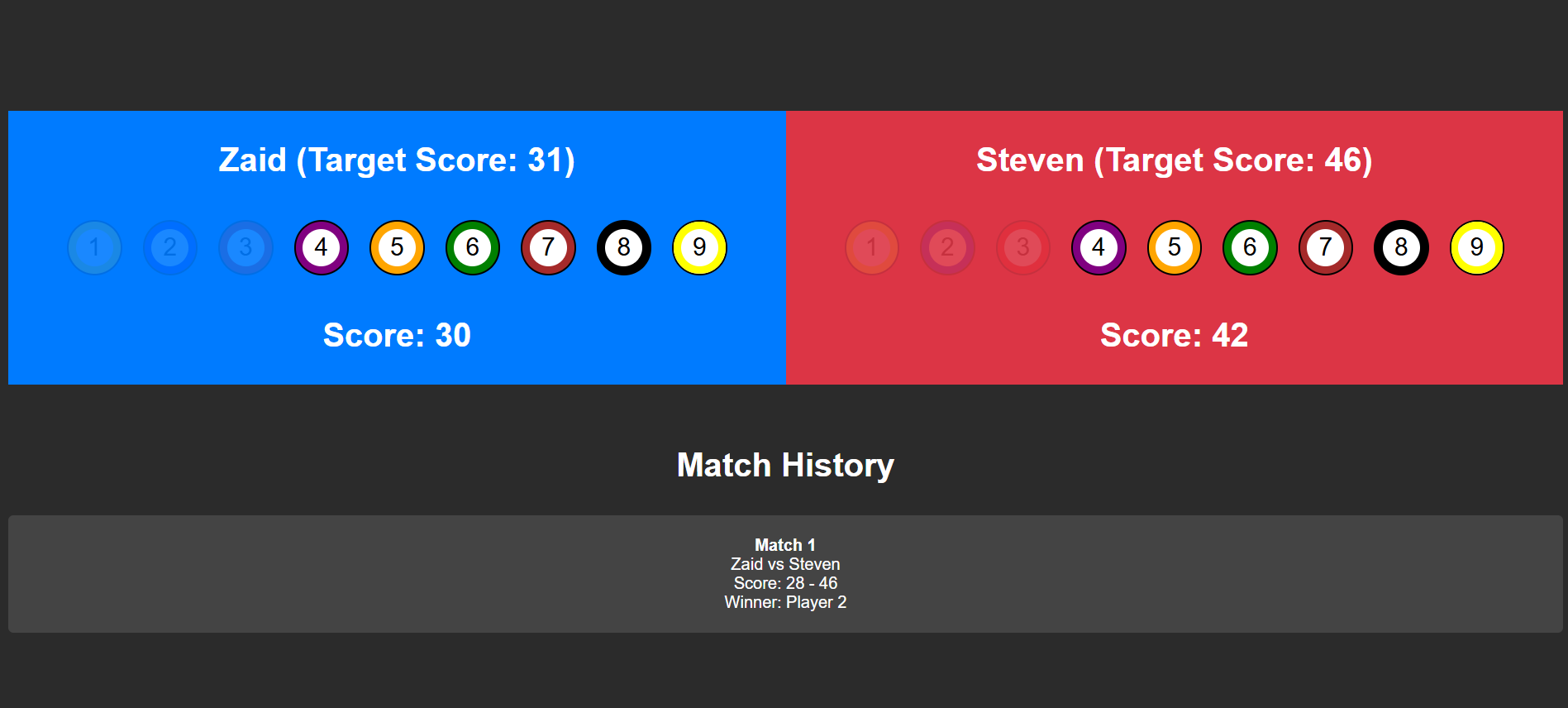
A small digital scoring tool built to reduce scoring disputes in CPA-style pool matches.
A lightweight HTML/CSS/JavaScript prototype that moved paper scoring into a shared record, supporting trust, fairness, dead-ball logic, match history, break tracking, and randomized team generation for equal opportunity.
Process
I look for what people notice, what they miss, what they tolerate, and what they resist. Good UX research is not just asking what users like. It is understanding how systems shape decisions.
I turn messy findings into themes, requirements, flows, and design decisions. Research only matters if it can move the product forward.
I do not treat building as separate from research. Prototyping helps me find friction, test assumptions, and see where an idea breaks.
I work systematically, but I expect problems. Bugs, edge cases, and failed assumptions are part of the process. I keep going until the product works.
Methods
About
I am a researcher, designer, builder, educator, and a lot more. I do not want my work reduced to a single label. The strength of my practice is that I can move between questions, systems, interfaces, and implementation, and understand how each one affects the other.
If you are hiring for UX research, HCI, product research, or roles that need someone who can move between research, design, and implementation, I would be glad to talk.